

This guide explains what to look for, what to ask, and how to choose an artist whose work will age well and still feel authentically Japanese.
What makes a Japanese tattoo “traditional” in the first place?
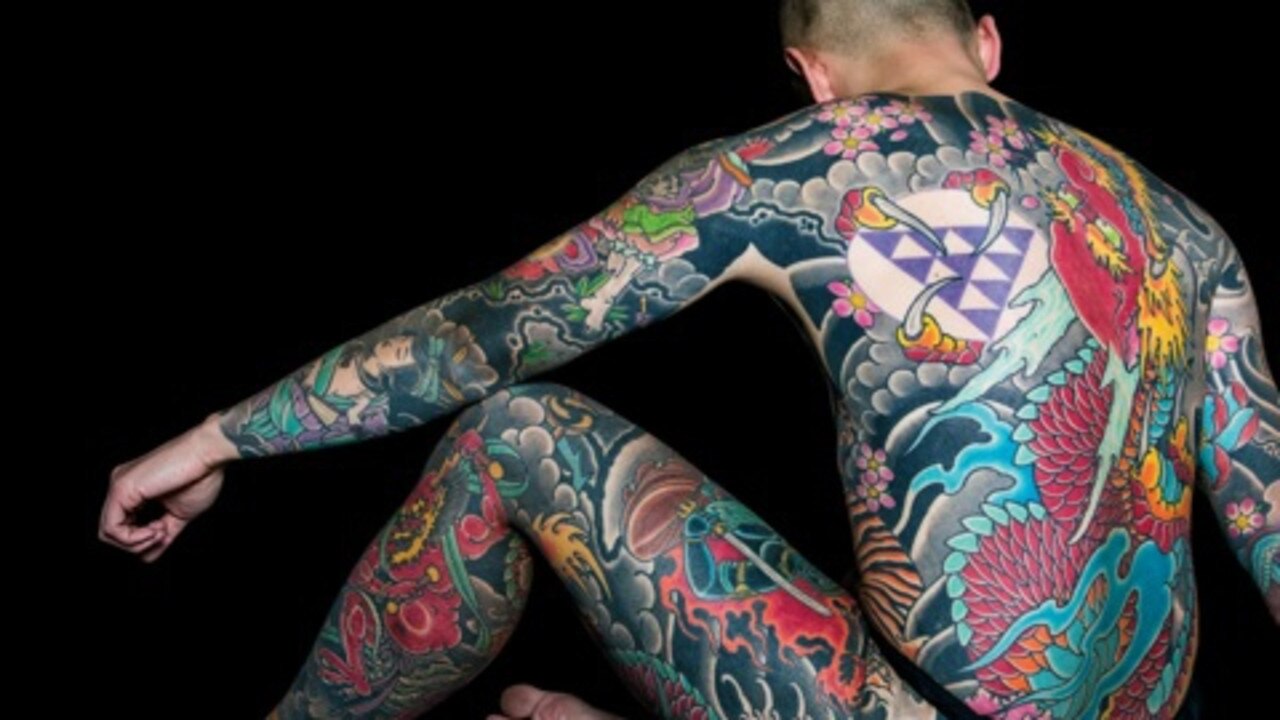
A traditional Japanese tattoo is defined less by a single motif and more by rules of flow, background, and storytelling. The best artists understand how subjects like dragons, koi, and hannya masks sit inside a larger framework of wind bars, waves, clouds, and botanicals.
They also respect the idea of body suit composition. Even if a client only wants a sleeve today, the artist should design it as if it could connect into a back piece later.
How can someone spot the best Japanese tattoo artist in Sydney?
They can spot top-tier work by checking consistency across multiple healed results, not just fresh photos. Strong Japanese tattooing shows stable blacks, readable contrast, and backgrounds that do not overpower the main subject.
They also show control at scale. Japanese pieces often run large, so the artist’s portfolio should include sleeves, half sleeves, back pieces, and chest panels, not only small flash designs.
What should they look for in a portfolio for irezumi or Japanese-inspired work?
They should look for flow first. The best portfolios show pieces that wrap naturally around shoulders, elbows, and knees, with backgrounds that guide the eye rather than flattening the body.
They should also check motif accuracy. Koi should have convincing movement, chrysanthemums should look intentional rather than decorative filler, and masks should feel expressive without becoming cartoonish. If the same dragon face appears in multiple clients, it can signal heavy copying rather than custom design.
Should they choose tebori, machine, or a mix?
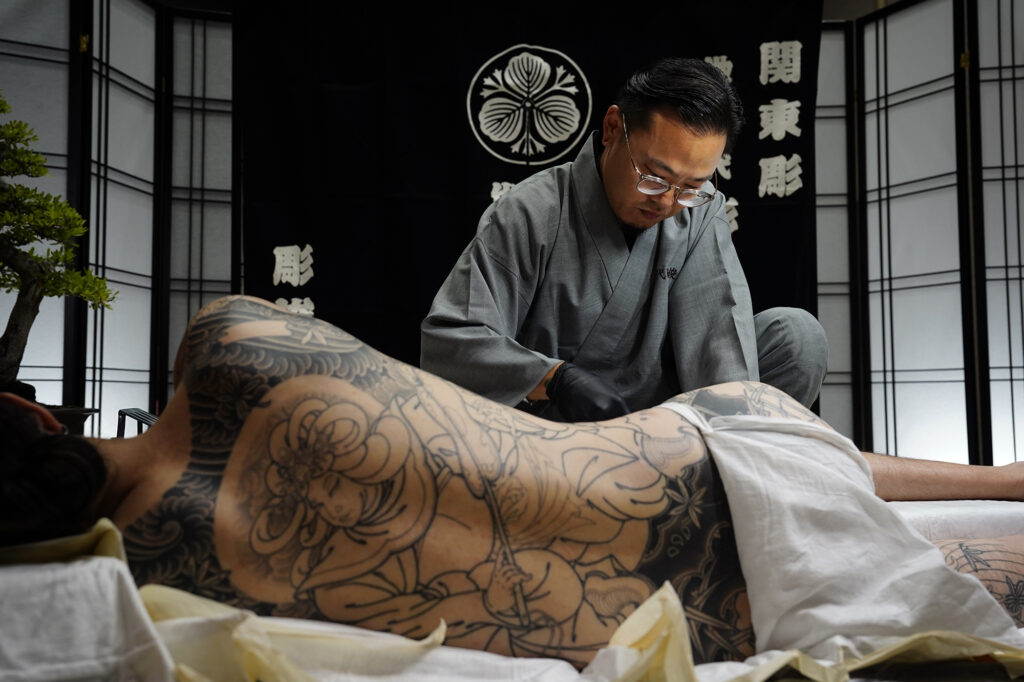
They should choose based on goals, budget, and pain tolerance, not trends. Tebori, the traditional hand method, can produce a distinctive softness in shading and can be ideal for certain backgrounds, but it usually takes longer and can cost more due to session time.
Machine work is common in Sydney and can still be highly authentic when the artist understands Japanese structure. Many excellent artists combine techniques, using the machine for lines and colour packing while reserving hand methods for specific textures or gradients.
Which questions should they ask during a consultation?
They should ask how the artist approaches composition across the full limb or torso, not just the area being tattooed today. A serious Japanese tattooer can explain how the background, negative space, and direction of movement will work when the body bends.
They should also ask about session planning. Large Japanese pieces require stamina and scheduling, so the artist should give a realistic timeline, aftercare plan, and expectations for touch-ups once the tattoo settles.
How important is symbolism and placement in Japanese tattooing?
It matters because Japanese tattoos are designed to read as a complete scene, not isolated icons. The strongest artists guide clients through symbolism without forcing rigid rules, helping them pick subjects that match the wearer’s story and placement that supports the design.
They also consider movement. A dragon can look powerful on a back or sleeve because the curves of the body enhance it. Poor placement can make even a great drawing feel stiff.
What role does modern technique play in a “traditional” Japanese tattoo?
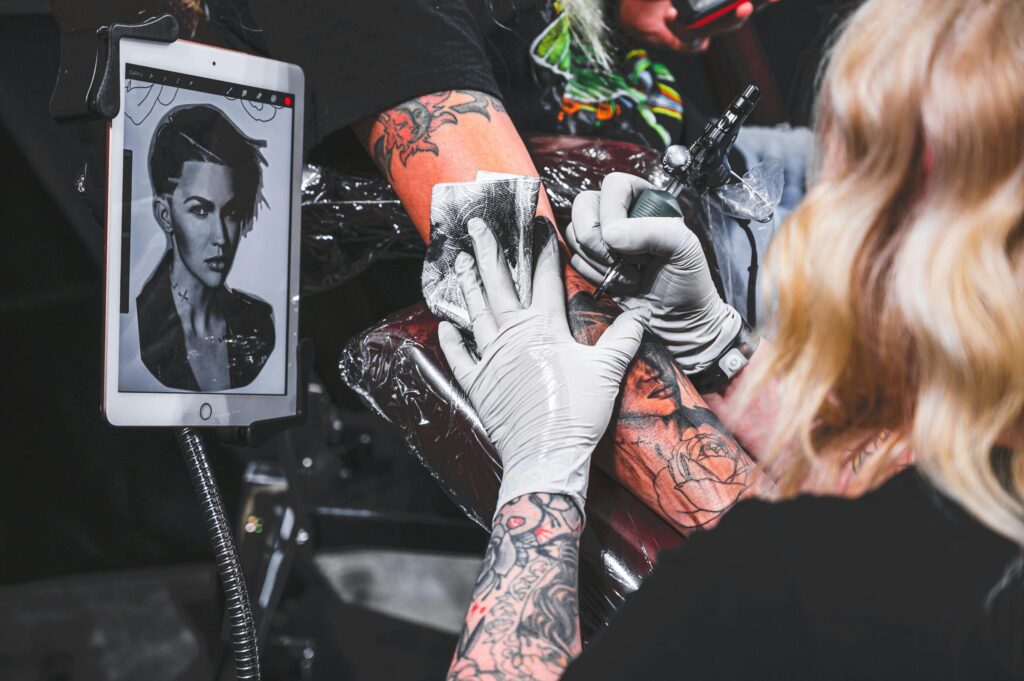
Modern technique is what makes the tattoo age well. The best artists use contemporary needles, safe pigments, and refined machine control to create cleaner lines, smoother gradients, and consistent saturation.
They also photograph healed work and adjust their approach over time. That feedback loop is modern, but it protects the traditional look by ensuring it stays bold and readable years later.
How can they compare studios in Sydney without wasting time?
They can shortlist studios by looking for three signals: a strong Japanese-focused portfolio, clear hygiene standards, and a process that includes consults and custom drawing. If a studio cannot explain their aftercare approach or avoids discussing healing, it is usually a bad sign.
They should also assess communication. Large-scale Japanese work requires trust over many sessions, so responsiveness and clarity matter as much as artistic skill.
What should they expect to pay for high-quality Japanese tattooing in Sydney?
They should expect premium pricing for premium work, especially for large projects. Japanese sleeves and back pieces take serious design time and many hours of application, so the total cost is usually measured in sessions rather than a single quote.
They should be wary of unusually cheap day rates for “full sleeve in one day” promises. Traditional Japanese designs are detailed and often need multiple passes to heal cleanly and hold contrast.
How should they prepare so the tattoo heals clean and stays crisp?
They should arrive well-rested, hydrated, and fed, and they should avoid alcohol before sessions. After the tattoo, they should follow aftercare exactly, because heavy backgrounds and bold blacks can heal unevenly if they over-wash, pick scabs, or apply the wrong ointment.
They should also plan for sun protection long-term. Japanese tattoos rely on contrast, and UV exposure is one of the fastest ways to dull blacks and shift colours.
Where can they start if they want the “best” artist for their specific idea?
They can start by matching the artist to the project type: sleeves, bodysuit planning, black and grey irezumi, or colour-heavy traditional scenes. The best artist for one style of Japanese tattoo is not always the best for another, so the portfolio should reflect the exact direction they want.
If they are unsure, they should book a consult with two or three artists and compare how each one talks about flow, background, and long-term planning. The right choice usually feels obvious when the artist can explain the design as a complete story, not just a collection of elements.
FAQs (Frequently Asked Questions)
What defines a traditional Japanese tattoo and how is it different from other styles?
A traditional Japanese tattoo is characterized by its adherence to rules of flow, background, and storytelling rather than a single motif. It incorporates subjects like dragons, koi, and hannya masks within a larger framework of wind bars, waves, clouds, and botanicals. Additionally, it respects body suit composition, designing pieces that can connect into larger artworks like back pieces over time.
How can I identify the best Japanese tattoo artist in Sydney?
The best artists demonstrate consistent quality across multiple healed tattoos, showing stable blacks, clear contrast, and backgrounds that complement rather than overpower the main subject. Their portfolios typically include large-scale works such as sleeves, half sleeves, back pieces, and chest panels. Assessing their ability to maintain control at scale is crucial for authentic Japanese tattooing.
Should I choose tebori (hand method), machine tattooing, or a combination for my Japanese tattoo?
Choice depends on your goals, budget, and pain tolerance. Tebori offers distinctive softness in shading ideal for certain backgrounds but usually requires longer sessions and higher costs. Machine work is common in Sydney and can produce authentic results when the artist understands Japanese structure. Many skilled artists combine both methods—using machines for lines and color packing while reserving hand techniques for specific textures or gradients.
What questions should I ask during a consultation with a Japanese tattoo artist?
Inquire about how the artist approaches composition across the entire limb or torso beyond just the current area being tattooed. A knowledgeable artist will explain how backgrounds, negative space, and movement direction work with body bending. Also ask about session planning for large pieces—including timelines, aftercare instructions, and expectations for touch-ups—to ensure realistic preparation for your tattoo journey.
Why are symbolism and placement important in traditional Japanese tattoos?
Japanese tattoos are designed as complete scenes rather than isolated icons. Strong artists guide clients through meaningful symbolism without imposing rigid rules and help select subjects that resonate personally while ensuring placement supports the design’s flow. Considering body movement is essential; for example, placing a dragon on the back or sleeve enhances its power through natural curves. Poor placement can make even excellent designs appear stiff.
How do modern techniques enhance traditional Japanese tattoos?
Modern techniques ensure tattoos age well by employing contemporary needles, safe pigments, and refined machine control to create cleaner lines, smoother gradients, and consistent saturation. Artists also document healed work to adjust their approach over time—a modern feedback loop that preserves traditional aesthetics by keeping designs bold and readable years after application.