

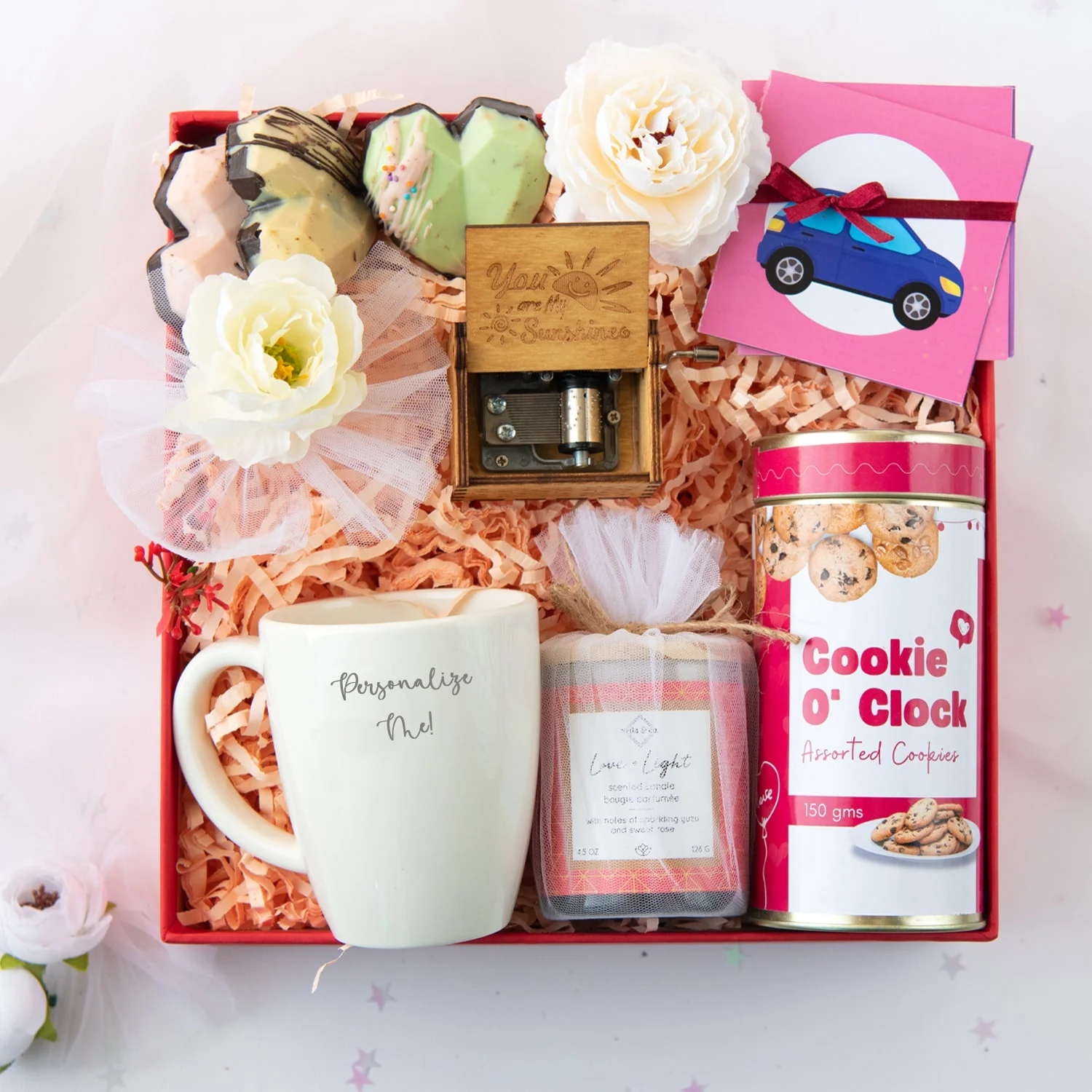
How Can You Build a Thoughtful Christmas Hamper from Scratch?
Building a Christmas hamper from scratch transforms generic gift-giving into a deeply personal experience that reflects genuine care and attention. Personalized hampers speak directly to recipients’ tastes, creating memorable moments that mass-produced alternatives simply cannot match.
The process involves strategic decisions across multiple elements:
- Selecting the right container
- Curating quality products around a cohesive theme
- Adding protective yet decorative fillers
Each choice contributes to both the visual impact and practical value of the final gift.
Gifting experts emphasize that successful hamper creation isn’t about spending the most money—it’s about thoughtful curation. Expert guidance helps avoid common pitfalls like mismatched items or poor packaging choices that compromise presentation during transport. Following proven strategies ensures every hamper element works together harmoniously, creating a luxurious gift that delights from first glance to final bite.
Learning how to build a Christmas hamper properly means understanding both aesthetic principles and practical considerations that make gifts truly special.
What Container Should They Choose for Their Christmas Hamper?
The container sets the foundation for the entire hamper presentation and influences both visual appeal and practicality.
1. Wicker Baskets
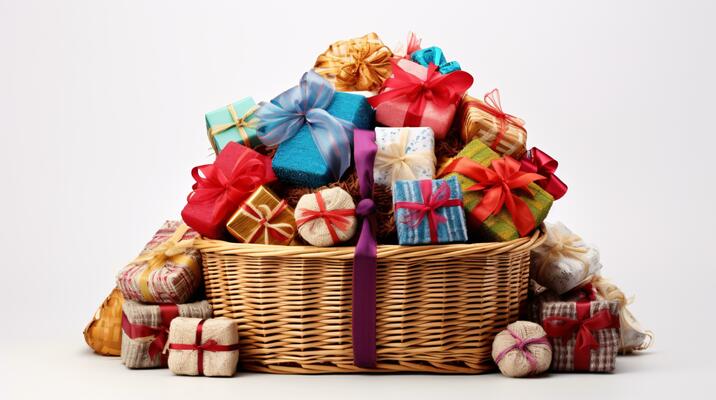
Wicker baskets remain a classic choice, offering natural texture and sustainable credentials that resonate with eco-conscious recipients. These traditional vessels work beautifully for hand-delivered gifts and create an authentic festive atmosphere.
2. Wooden Boxes with Lids
Wooden boxes with lids provide a premium alternative that recipients can repurpose long after the contents are enjoyed. The sturdy construction protects delicate items during transport while conveying a sense of luxury. Boxes also stack efficiently for storage and display in retail settings.
3. Fabric Tote Bags
For modern gifters, fabric tote bags branded with festive designs offer reusability and lighter weight compared to traditional hamper container options. These work particularly well when sustainability is a priority, as recipients gain a functional item alongside their treats.
4. Specialized E-commerce Containers
Online retailers should consider specialized e-commerce containers with self-sealing features. These gift boxes eliminate the need for additional outer packaging while maintaining an elegant unboxing experience. The protective design minimizes damage during shipping, reducing returns and customer disappointment.
Container selection should balance three factors: the aesthetic vision for the hamper, environmental impact, and shipping requirements. A hand-delivered gift allows for more decorative but fragile options, while mail-order hampers demand robust, lightweight sustainable baskets that arrive intact and impressive.
How Can Fillers Enhance the Presentation and Protection of Items in Their Hamper?
Hamper fillers serve a dual purpose: protecting delicate contents while creating visual impact. The right padding transforms a simple collection of products into a luxurious gift experience that impresses from the moment the recipient lifts the lid.
1. Wood Wool: The Eco-Friendly Choice
Wood wool stands out as the premium choice for eco-friendly padding. This natural material cushions glass bottles, ceramic mugs, and jars against breakage during transport. Its rustic texture adds an artisan quality that complements premium food products. The neutral color works with any theme while maintaining an upscale appearance.
2. Paper Shred: Versatile and Festive
Paper shred offers versatility in festive colors—deep reds, forest greens, metallic golds, and crisp whites create seasonal sparkle. This option provides excellent cushioning for fragile items while filling empty spaces that might otherwise allow products to shift. The shredded texture catches light beautifully, adding depth and dimension to the hamper’s presentation.
3. Tissue Paper: Soft Support for Delicate Items
Tissue paper layers beneath products create soft nests that cradle items gently. Crinkled sheets in complementary colors add volume without weight, making the hamper appear fuller and more generous. This approach works particularly well for lighter items like biscuits or chocolates that need gentle support rather than heavy padding.
The key lies in selecting fillers that match the hamper’s overall aesthetic—natural materials for rustic themes, metallic shreds for luxury presentations, or colored tissue for playful, festive arrangements.
Why Is Theme and Cohesion Important When Building Their Hamper?
A unified theme transforms a collection of products into a curated gift experience. Cohesive gift packaging creates visual harmony that elevates perceived value and demonstrates thoughtful consideration for the recipient.
Hamper theme ideas that work exceptionally well include:
- Wine and cheese pairings with complementary crackers and chutneys
- Christmas feast trimmings featuring stuffing mixes, cranberry sauce, and festive condiments
- Breakfast indulgence combining artisan jams, specialty teas, and gourmet pancake mixes
- Chocolate lover’s collection with varied cocoa percentages and truffle selections
Color coordination strengthens thematic impact. A red-and-gold palette signals traditional Christmas warmth, while silver-and-white conveys elegant sophistication. Packaging styles should match—rustic wooden crates suit farmhouse themes, while sleek boxes complement modern minimalist selections.
Random assortments lack narrative flow and confuse recipients about the gift’s purpose. A focused theme tells a story, whether celebrating cozy winter evenings or gourmet cooking adventures. This intentional curation makes Christmas gift themes memorable and increases the likelihood recipients will appreciate every item included.
What Quality Standards Should They Consider When Selecting Products for Their Hamper?
When selecting products for their hamper, there are several quality standards that businesses should consider:
- Provenance and Storytelling: Premium hamper products should have a clear origin and tell a compelling story about where they come from. Look for items made by established makers, regional specialties with protected designations, or award-winning producers whose reputation adds value to the gift.
- Freshness and Impact: Fresh festive items like honey-glazed hams, smoked salmon, or aged cheeses create an immediate impact and justify higher prices. These perishable delights show thoughtfulness and luxury but require careful consideration of delivery timelines.
- Complementary Pairing: Pair fresh items with artisan preserves, chutneys, and relishes that enhance the flavors of the fresh components while offering longer shelf life.
- Balance of Enjoyment: Include treats that recipients can enjoy right away alongside products they’ll savor over weeks or months.
- Lasting Value: Handcrafted biscuits, small-batch chocolates, and specialty condiments provide lasting value beyond the initial unwrapping.
- Expiration Dates: Check expiration dates carefully—items with at least three months’ shelf life prevent recipients from feeling pressured to consume everything quickly.
- Quality Ingredients and Packaging: Use high-quality ingredients and attractive packaging to convey that every item in the hamper is deserving of its place.
By considering these quality standards, businesses can curate hampers that are not only visually appealing but also offer a delightful experience for the recipients.
How Can Practicality Be Balanced with Luxury in Their Hamper?
The sweet spot between indulgence and utility transforms a Christmas hamper from decorative to delightful. Practical gifts in hampers work best when they elevate everyday moments—think artisan truffle crisps that pair with weeknight wine or premium tinned fish that turns a simple lunch into something special.
Luxury food gifts should include items recipients can enjoy immediately alongside those saved for special occasions. A beautifully packaged chocolate bar offers instant gratification, while aged balsamic vinegar becomes a kitchen staple they’ll treasure for months.
The most successful hampers blend three categories:
- Immediate pleasures: Gourmet biscuits, specialty nuts, or handcrafted chocolates
- Everyday cooking items: Infused oils, sea salt flakes, or artisan condiments that enhance regular meals
- Special occasion treats: Champagne, caviar, or premium preserves reserved for celebrations
This approach ensures the hamper delivers both the excitement of unwrapping luxury food gifts and the sustained pleasure of discovering new favorites during everyday cooking. Recipients appreciate gifts they’ll actually use rather than items gathering dust in the pantry.
What Personalization Techniques Can Make Their Hamper More Special?
A personalized Christmas hamper transforms from generic gift to meaningful gesture through targeted customization. Start by researching the recipient’s preferences—their favorite local snacks, regional wines, or artisan products from their hometown create instant emotional connections.
Product story cards elevate the gifting experience significantly. Include small notes explaining where items come from, the makers behind them, or unique production methods. A card describing how a family-run vineyard produces their wine or how a local chocolatier sources single-origin cacao adds depth that recipients remember long after consuming the treats.
Consider these personalization approaches:
- Regional favorites: Source products from the recipient’s home region or places they’ve traveled
- Dietary preferences: Curate items matching their lifestyle (vegan, gluten-free, organic)
- Hobby-related items: Include cooking ingredients for food enthusiasts or cocktail mixers for home bartenders
- Handwritten notes: Add personal messages explaining why you selected specific items
These thoughtful touches demonstrate genuine care, transforming your How to Build a Christmas Hamper from Scratch: Tips from Gifting Experts approach into a memorable celebration of the recipient’s unique tastes.
How Should Packaging Considerations Influence Product Selection for Their Hamper?
Hamper packaging tips start with strategic product choices that survive transit while looking luxurious. Smart builders select items based on weight and fragility before aesthetics, reducing the risk of breakage and keeping shipping costs manageable.
Overcoming the Glass Challenge
Glass bottles pose the greatest challenge. Replace heavy wine bottles with lightweight packaging solutions like canned cocktails, boxed wines, or spirits in aluminum containers. When glass is essential, wrap each item in shipping-friendly packaging such as padded bottle bags or protective kraft pouches that cushion without adding bulk.
Choosing Alternatives to Glass
Swap glass jars for products in tins, tubes, or flexible pouches. Artisan spreads come in squeezable packaging, while gourmet snacks arrive in resealable bags rather than fragile containers. These alternatives maintain premium appeal while cutting weight by 40-60%.
Layering Protection Strategically
Layer protection strategically:
- Bottle bags with bubble lining for wine or spirits
- Kraft pouches for delicate chocolates or biscuits
- Corrugated dividers between items to prevent shifting
This approach keeps hampers elegant without compromising on safety during delivery.
What Marketing Strategies Help Retailers Sell Custom Hampers Effectively During The Holiday Season?
Price point grouping transforms overwhelming choice into manageable decisions. Retailers should organize hampers into clear tiers—budget-friendly options under £30, mid-range selections between £50-£75, and premium offerings above £100. This structure allows customers to shop within their budget without comparing dozens of individual products.
Occasion-based categories work equally well for hamper marketing tips. Create distinct collections like “Corporate Gifts,” “Family Feast,” or “Secret Santa” to help shoppers identify the perfect match quickly. Display these groupings prominently on websites and in-store signage with clear imagery showing what’s inside each tier.
Holiday delivery service becomes a powerful selling point during December’s chaos. Promote guaranteed delivery dates, gift messaging options, and tracking capabilities. Highlight the convenience factor—busy professionals can send thoughtful gifts without visiting multiple shops or wrapping stations.
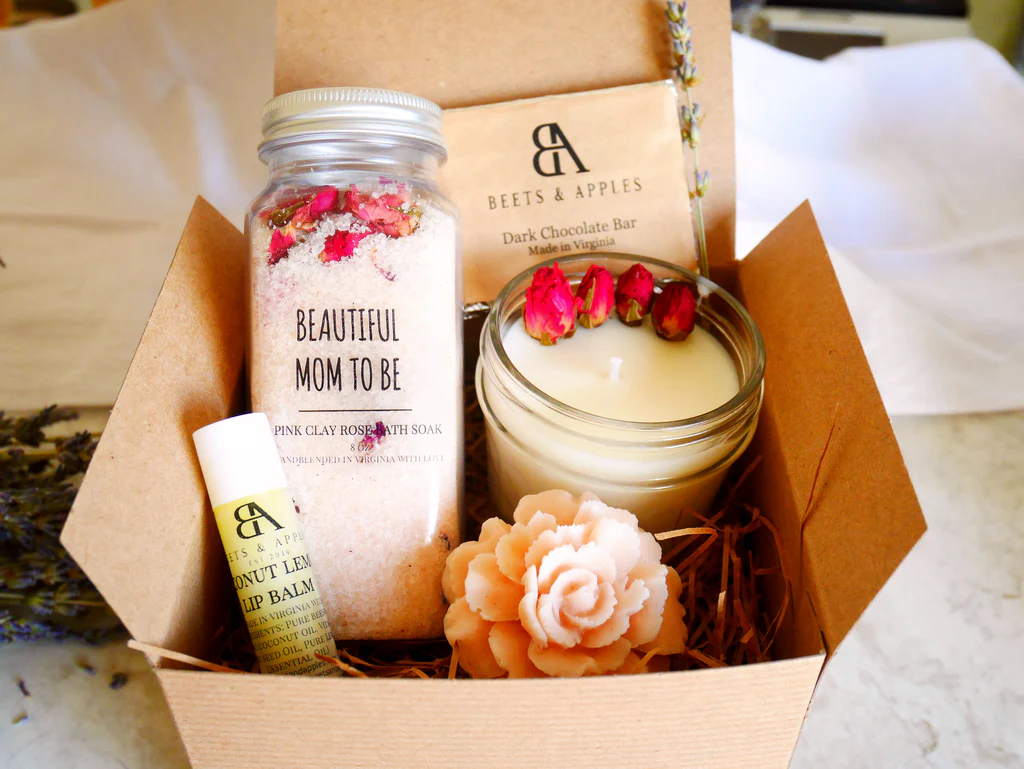
Showcase presentation quality through high-resolution photos featuring the hamper’s unboxing experience. Include close-ups of ribbons, personalized tags, and the luxurious arrangement of products inside. Visual storytelling sells the emotional value beyond just listing contents.
Where Can They Find More Tips On Building A Stunning Christmas Hamper From Scratch?
Building Christmas hampers tips extend beyond this guide—numerous resources can help refine your festive gifting skills. Specialty packaging suppliers often publish seasonal blogs with thoughtful gift ideas and product pairing suggestions. Trade associations for artisan food producers maintain directories of premium suppliers perfect for hamper contents.
Social media platforms showcase real-world examples through hashtags like #ChristmasHampers and #FestiveGifting, offering visual inspiration for layouts and themes. Food and lifestyle magazines publish annual festive gifting guides featuring emerging trends and innovative product combinations.
Creating memorable gifts requires continuous learning. Bookmark trusted resources, follow gifting experts on Instagram, and experiment with different approaches each season to develop your signature hamper style.
Click here for more Christmas Gift Boxes vs Christmas Hampers: What’s the Difference?