They also sit in a sweet spot between subtle and bold. A well-made patch is visible, durable, and easy to standardise across teams, products, and events.
How do custom patches make a brand more recognisable?
Custom Patches visibility by repeating the same visual cue in many places people naturally look. When a patch appears on staff uniforms, customer merchandise, and event gear, the brand becomes easier to remember.
Because patches are physical, they also feel more “real” than a digital logo. That tactile presence helps a brand stand out in environments where ads are ignored and attention is limited.
Why do patches help brands look more consistent across teams and locations?
Patches create uniformity by giving everyone the same approved design, colours, and placement. That reduces the slow drift that happens when different sites or departments interpret a brand style differently.
They are especially useful for organisations with frontline staff, contractors, or volunteers. A patch can quickly signal, “this person represents the brand,” even when clothing styles vary.
What makes a patch feel premium rather than promotional?
A patch feels premium when materials, stitching, and finishing match the brand’s quality promise. High thread density, clean borders, accurate colours, and sturdy backing all communicate care and competence.
Design restraint matters too. A simple mark with good spacing often looks more confident than a crowded patch with too much text, even if the brand has a lot to say.
How do custom patches support storytelling and brand meaning?
Patches can carry symbols that represent a brand’s values, origin, or community, not just its name. Limited-run patches for milestones, collaborations, or causes make the brand feel like it has a living history.
They also encourage collecting. When customers keep and display patches, they are effectively choosing to carry the brand’s story in public.
Can patches turn customers into walking ambassadors?
Yes, because patches are easy to wear and easy to share. When customers add a patch to a jacket or rucksack, they display the brand in everyday settings where word of mouth naturally starts.
Unlike many giveaways, patches are often kept for years. That long lifespan gives the brand repeated exposure without needing repeated spend.
How do patches work across different industries and audiences?
Patches are flexible enough to suit both corporate and community-led brands. In hospitality and retail, they can reinforce uniform identity; in trades and logistics, they can clearly mark roles and teams; in clubs and charities, they can build belonging.
They also work across age groups because they are familiar and functional. A patch can feel heritage, sporty, creative, or technical depending on how it is designed.
What should a brand decide before ordering custom patches?
They should start with the purpose: uniforms, merchandise, events, internal culture, or a mix. That goal influences size, placement, durability needs, and how bold the design should be.
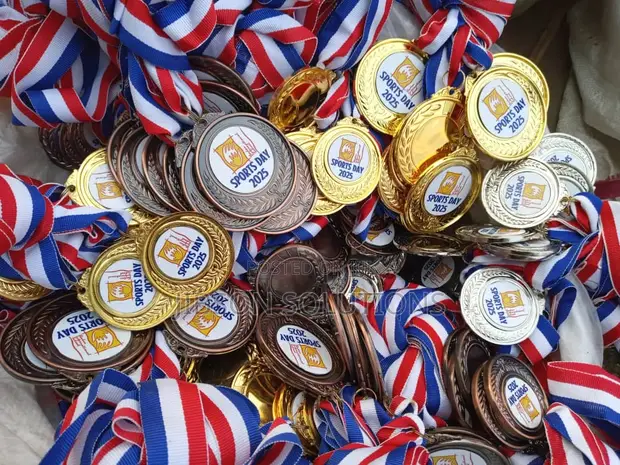
They should also decide what must be consistent, such as logo shape and colours, and what can vary, such as edition text or seasonal accents. A clear rule set prevents mismatched batches later. See do custom medals improve event engagement.
How can brands use patches without diluting their identity?
They can keep the core mark consistent and treat variations as a controlled system. For example, the same logo can appear on different patch shapes for different teams, while colours remain fixed.
They can also limit how many designs run at once. Too many patch styles in circulation can confuse customers, while a tighter set builds recognition faster.
What is the simplest way to get results quickly?
They can start with one strong, wearable design and put it where it will be seen often: staff outerwear, caps, or customer-friendly accessories. From there, they can expand into special editions for events, launches, or partnerships.
Custom patches strengthen brand identity because they make the brand visible, consistent, and wearable. When done well, they turn a logo into something people choose to carry.
FAQs (Frequently Asked Questions)
How do custom patches enhance brand recognition?
Custom patches boost brand recognition by consistently displaying the same visual cues across uniforms, merchandise, and event gear. Their physical, tactile nature makes the brand feel more tangible and memorable in environments where digital ads are often overlooked.
Why are patches effective for maintaining brand consistency across teams and locations?
Patches ensure uniformity by providing a standardised design, colours, and placement for all team members. This prevents variations in brand interpretation across different sites or departments and clearly signals brand representation even when clothing styles differ.
What factors contribute to a patch feeling premium rather than merely promotional?
A premium patch features high-quality materials, dense stitching, clean borders, accurate colours, and sturdy backing that reflect the brand’s quality promise. Additionally, simple and well-spaced designs convey confidence more effectively than overcrowded patches with excessive text.
In what ways do custom patches support storytelling and deepen brand meaning?
Custom patches can incorporate symbols representing a brand’s values, origins, or community. Limited-edition patches for milestones or collaborations create a sense of living history and encourage customers to collect and publicly display the brand’s story.
Can custom patches transform customers into walking brand ambassadors?
Yes. Patches are easy to wear and share on everyday items like jackets or rucksacks, naturally sparking word of mouth. Their durability means they provide prolonged exposure over years without additional marketing spend.
How should brands plan before ordering custom patches to ensure effectiveness?
Brands should define the patch’s purpose—whether for uniforms, merchandise, events, or internal culture—as this influences size, placement, durability, and design boldness. Establishing which elements must remain consistent (like logo shape and colours) versus those that can vary (such as edition text) helps prevent mismatched batches.