That said, a medal only helps if it matches the audience. If it feels cheap, generic, or overly promotional, it can land as clutter rather than a reward.
Do branded medals make attendees feel more valued?
Branded Medals work best when they signal genuine recognition rather than marketing. Attendees often interpret a well-designed medal as proof the organiser cared about their effort and time.
They work best when they connect to what attendees actually did, such as completing a distance, contributing to a fundraiser, or taking part in a milestone edition. If everyone receives the same item regardless of engagement, the “earned” feeling can drop.
Do branded medals help create stronger memories of the event?
Yes, because they act as a physical cue that brings the day back to mind. Photos, race numbers, and medals sit together, and the medal becomes the easiest object to keep and display.
The strongest memory link comes from details that are specific to that event, such as the year, location, route theme, or a unique design element. A generic “finishers medal” with a logo can still work, but it tends to blend in with others over time.
Do branded medals improve event perception and credibility?
Often, yes. A quality medal can make the whole event feel more professional, especially for first-time attendees who judge value quickly.
Design and build quality matter here. Good weight, clean enamel, crisp engraving, and a comfortable ribbon communicate “serious event”. Thin metal, blurry printing, or flimsy ribbons can do the opposite and damage perceived value.
Do medals increase social sharing and word-of-mouth?
Yes, if they are photogenic and clearly tied to the event. Attendees are more likely to post a medal that looks distinctive, includes the event name and year, and photographs well in natural light.
Medals also create an easy conversation starter at home and at work. That small “what’s that from?” moment can be more effective than many digital ads, but only if the item looks worth asking about.
Do branded medals work for every kind of event?
No. They suit achievement-based events best, such as runs, cycling sportives, obstacle races, competitions, corporate challenges, and conferences with meaningful milestones.
For casual meetups or short sessions, a medal can feel disproportionate. In those cases, attendees may prefer something lighter, such as a badge, certificate, or a practical branded item that matches the event’s purpose.
What makes a branded medal feel premium rather than promotional?
A premium medal puts the attendee’s achievement first and the brand second. The event identity should be clear, but it should not read like a sales item.
Typically, that means thoughtful design, readable typography, and a ribbon that complements the medal rather than shouting sponsors. Adding the year, distance, category, or even a finisher name option can also shift the meaning from “branded” to “personal”.
Can branded medals backfire and reduce attendee satisfaction?
Yes, when they feel like cost-cutting or advertising. If attendees expect a memorable keepsake and receive something light, poorly finished, or generic, disappointment can spread fast.
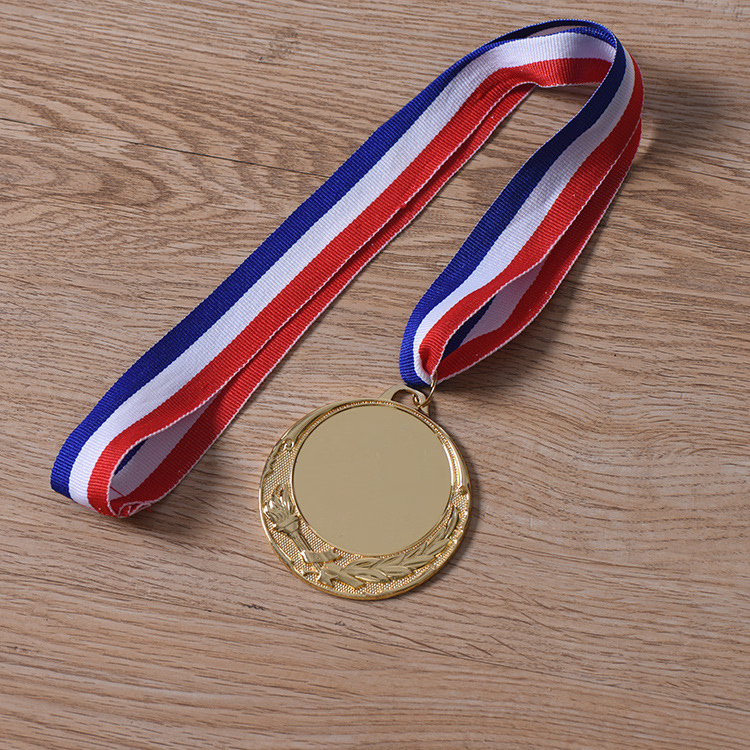
They can also backfire if the medal seems environmentally wasteful, especially for audiences that care about sustainability. In those cases, organisers need a clear material story, such as recycled metals, responsible sourcing, or an opt-in model. See custom patches for brand identity and recognition.
Do branded medals influence return attendance?
They can, because they become a reminder of a positive experience. When a medal sits on a shelf or hangs at home, it keeps the event in mind and can nudge attendees to come back.
However, medals alone do not fix weak logistics, poor communication, or bad crowd management. The medal amplifies the overall feeling, so it works best when the event already delivers a smooth, well-run day.
How should organisers decide whether to invest in branded medals?
They should start with the attendee profile and the event promise. If the event is built around effort, achievement, or completion, a branded medal usually supports that promise.
A practical test is simple: if attendees would be proud to show it to someone else, it is likely a good investment. If they would hide it in a drawer, the budget may be better spent on essentials like wayfinding, hydration, staffing, or photography.
What is the simplest way to improve attendee experience with medals?
Make the medal specific, well-made, and clearly earned. Even small upgrades, such as better ribbon quality, cleaner finishing, and event-specific details, can lift perceived value quickly.
When the medal feels like a true memento rather than a logo carrier, branded medals tend to improve attendee experience and strengthen the event’s reputation.
FAQs (Frequently Asked Questions)
Do branded medals make attendees feel more valued at events?
Yes, branded medals make attendees feel genuinely recognised when they reflect the effort and time invested. A well-designed medal signals that organisers cared about participants’ achievements, especially when it connects directly to what attendees accomplished during the event.
How do branded medals help create stronger memories of an event?
Branded medals act as physical cues that evoke memories of the event day. Specific details like year, location, or unique design elements strengthen this memory link, making the medal a cherished keepsake that attendees are more likely to keep and display.
Can branded medals improve an event’s perception and credibility?
Often, yes. High-quality medals with good weight, clean enamel, and crisp engraving enhance the professional feel of an event. Conversely, cheap-looking medals with flimsy ribbons can harm perceived value and credibility.
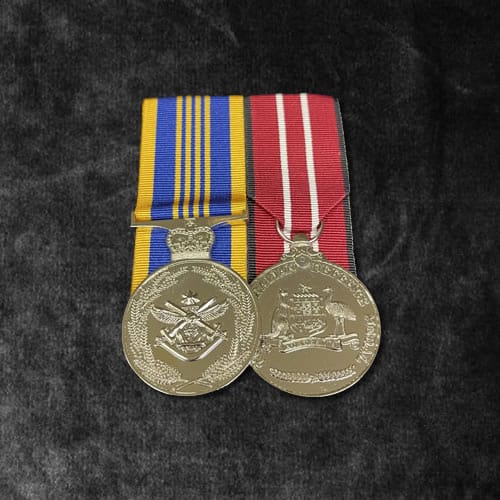
Do branded medals encourage social sharing and word-of-mouth promotion?
Yes, photogenic medals clearly tied to the event encourage attendees to share images on social media and spark conversations in daily life. Distinctive designs featuring event names and years make medals effective conversation starters beyond digital advertising.
Are branded medals suitable for every type of event?
No. Branded medals best suit achievement-based events like runs, obstacle races, competitions, or conferences with meaningful milestones. For casual meetups or short sessions, lighter items such as badges or certificates may be more appropriate.
What factors make a branded medal feel premium rather than merely promotional?
A premium medal prioritises the attendee’s achievement over branding. Thoughtful design, readable typography, complementary ribbons, and personalised elements like year or finisher names shift the medal from a sales item to a meaningful memento.